
In an online society where impressions are formed through a touch of a button, brands cannot afford to be observed on the surface. They also need brand intelligence software, a tool that converts discussions, emotions, customer behavior, and competition signals into tactical insight.
The newest brand intelligence software is not a follower of mentions. They break down the causes of talks, who leads these talks, emotional transformation, and what it will do to the situation in the event of long-term brand positioning. That is why brand intelligence software has become the need of marketing leaders, PR professionals, product strategists, and executives as well.
Other services like Brandnata are designed to help brands stop passively listening and build intelligence into a type of structure that can enable a team to gain an understanding of narratives, risks, and opportunities at scale. The list below is a reviewed list of significant brand intelligence tools, which offer a different perception of brand impressions.
What are the Best Brand Intelligence Software in 2026?
Brand intelligence software helps businesses track conversations, analyze sentiment, and understand how their brand is perceived across digital platforms. These tools convert online discussions, customer feedback, and market signals into actionable insights. By combining social listening, sentiment analysis, and competitive monitoring, brand intelligence platforms allow organizations to manage reputation, improve marketing strategies, and make data-driven decisions.
How We Evaluate the Best Brand Intelligence Software
Before selecting the tools in this list, several key evaluation criteria were considered. These factors help companies identify which software best suits their needs and goals.
Main evaluation criteria include:
- Depth of insights -We assessed how effectively each tool analyzes brand conversations, sentiment patterns, and narrative shifts across all social media, news, blogs, and review platforms.
- Ease of use – Platforms were judged based on how minimal their dashboards are, how easily teams can interpret reports, and how fast insights can be accessed without complex UI/UX.
- Pricing accessibility – Pricing structures were reviewed to understand if the software is suitable for startups, mid-size businesses, or enterprise organizations.
- Scalability – We analyzed whether the software can monitor many brands, campaigns, markets, and languages without losing its analytical accuracy.
- Actionable intelligence – We examined whether the tool simply presents data or provides insights that help teams in strategic decision-making related to marketing, PR, product development, and reputation management.
These criteria are important to consider and provide both analytical depth and practical usability for each tool below.
Comparison of the Best Brand Intelligence Software in 2026
| Software | Primary Focus | Ideal For | Key Strength | Starting Price (Approx.) |
| NetBase Quid | Market & consumer intelligence | Large enterprises | Deep data analytics | $1000+/month |
| Synthesio | Social & audience intelligence | Global organizations | Market comparison | Custom enterprise pricing |
| Brandnata | Narrative & sentiment intelligence | Growing & enterprise brands | Actionable brand insights | Flexible enterprise pricing |
| Pulsar | Cultural & audience behavior | Strategy teams | Community analysis | Custom pricing |
| Brand24 | Real-time brand insights | SMBs & startups | Simplicity & alerts | $79/month |
| Zignal Labs | Media narrative intelligence | PR & communications | Reputation monitoring | Enterprise pricing |
1. NetBase Quid – Premium Consumer and Market Intelligence
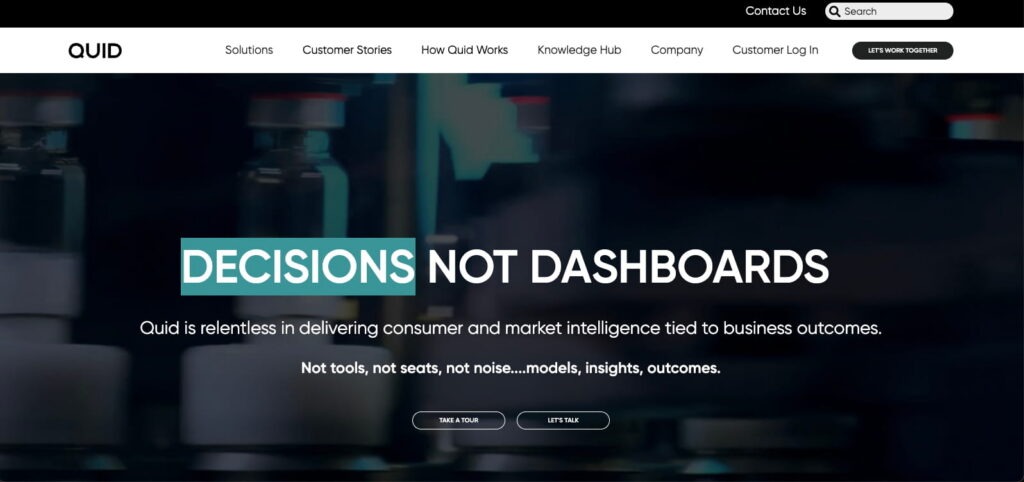
NetBase Quid is a very trusted brand intelligence software that is famous for incorporating consumer intelligence along with market intelligence. It deconstructs big data, both structured and unstructured, to uncover new trends, audience trends, and brand status.
It became a trend with companies that require extensive analytics of industries and foreign markets.
Best suited for: Large enterprises, Market research teams, Global analytics departments
Strengths: Advanced consumer and market intelligence platform offering deep data analytics, trend discovery, audience insights, and large-scale analysis across global markets.
Pros
- Advanced AI analytics
- Strong enterprise reporting tools
- Large-scale data processing
Cons
- High cost for smaller companies
- Steeper learning curve
2. Synthesio – Enterprise Social Intelligence Platform
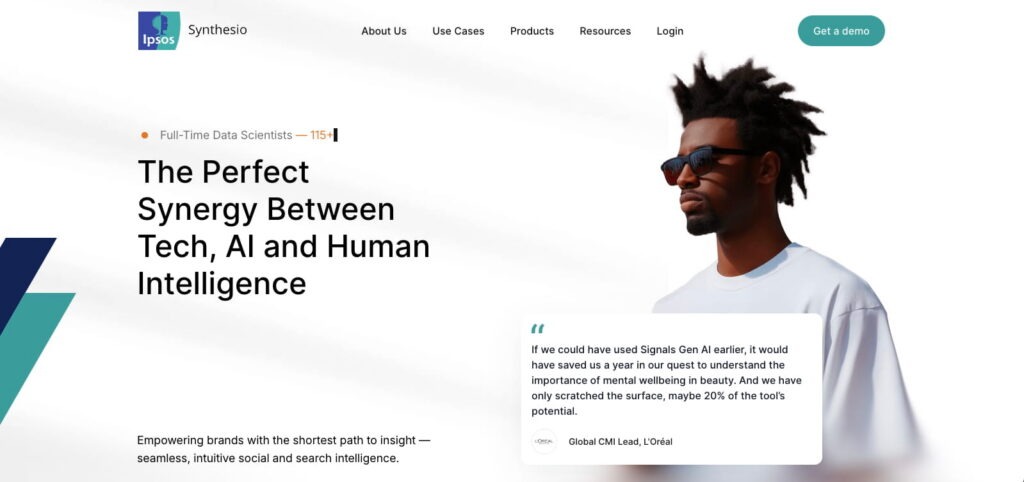
Being a social listening AI, Synthesio provides audience segmentation and competitive benchmarking of brand intelligence. It allows the brand to make comparisons across markets in terms of perception, demographics, and time.
It is used frequently by global organizations that need to have an organized cross-regional sense.
Best suited for: Multinational companies, Strategic marketing teams, Enterprise analytics departments
Strengths: Enterprise social intelligence platform with strong audience segmentation, competitive benchmarking, cross-market sentiment analysis, and detailed social listening insights.
Pros
- Enterprise-level analytics
- Strong global monitoring capabilities
Cons
- Expensive enterprise contracts
- Complex onboarding for small teams
3. Brandnata – AI-Driven Brand Intelligence for Actionable Insights
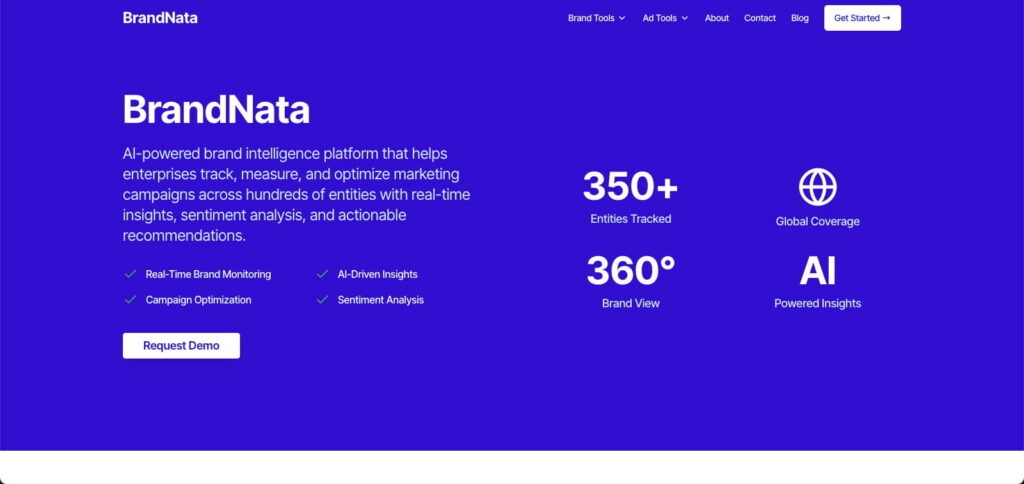
Brandnata is an intersection point of brand intelligence and strategic intelligence. Neither does it force teams with crude data; rather, it underlines a focus on conversations that are coded, emotional shifts, and narrative transitions in the digital media.
Brandnata is developed with teams in mind that like clarity over noise – brands should know what is said, but what should be done.
Best suited for: Growing companies, Marketing intelligence teams, Strategic analytics, and PR departments
Strengths: AI-powered platform focused on narrative intelligence, sentiment shifts, and actionable insights that help teams understand conversations and make strategic brand decisions.
Pros
- Clear insight dashboards
- Focus on decision-making intelligence
- Narrative and sentiment tracking
Cons
- Enterprise features may require custom setup
- Pricing depends on the monitoring scope
4. Pulsar – Audience and Cultural Intelligence
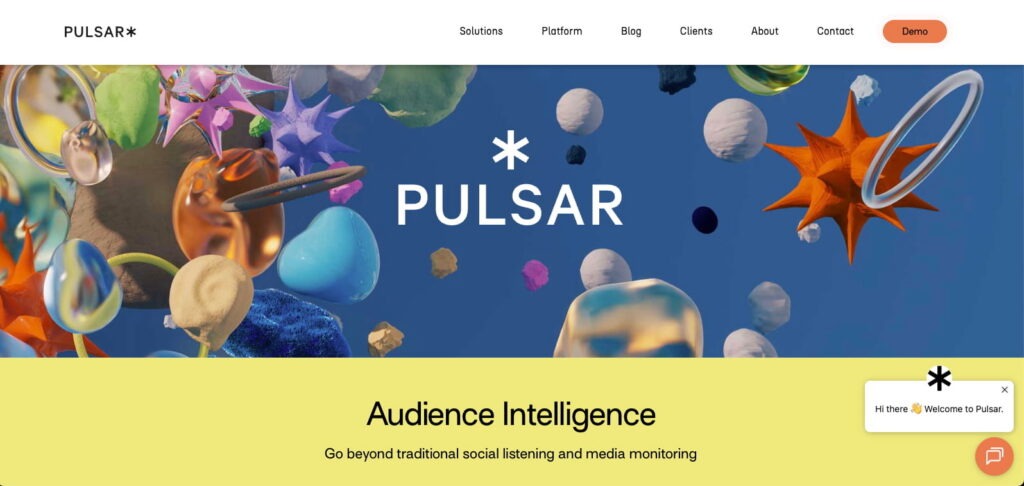
Pulsar gives much attention to the conduct of the audience and cultural context, and it is an excellent decision to realize why individuals are responsive to brands and how narratives are shared in societies.
Pulsar is not a firm that builds its strategy on volume alone but on influence, community clusters, and cultural relevance.
Best suited for: Strategy teams, Cultural research analysts, Brand storytelling teams
Strengths: Specializes in cultural and audience intelligence by analyzing community behavior, influence networks, and social narratives to understand why audiences engage with brands.
Pros
- Excellent cultural intelligence
- Useful for strategic marketing planning
Cons
- Less focus on real-time alerts
- Enterprise pricing
5. Brand24 – Real-Time Brand Intelligence for Growing Teams
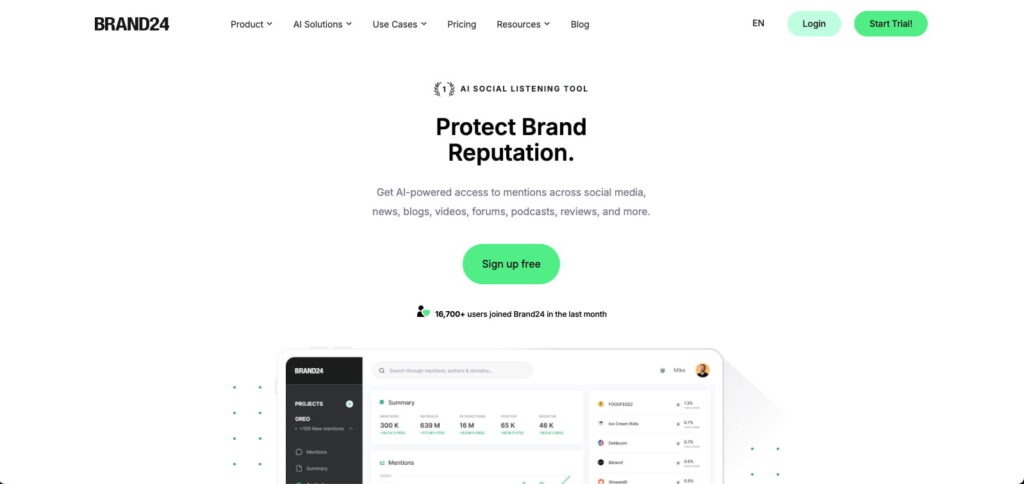
Brand24 offers real-time alerts, sentiment tracking, and influencer identification to offer accessible brand intelligence. It is extensively used by growing brands that are interested in intelligence, as opposed to the complexity of an enterprise.
Best suited for: Startups, Small and mid-size businesses, Marketing teams needing simple monitoring
Strengths: Simple and affordable real-time monitoring tool providing sentiment tracking, brand mention alerts, influencer identification, and easy dashboards for growing teams.
Pros
- Affordable pricing
- Simple interface
- Fast setup
Cons
- Limited enterprise analytics
- Fewer deep intelligence features
6. Zignal Labs – Media and Narrative Intelligence
Zignal Labs is a media intelligence and narrative tracking corporation that helps organizations understand how stories unfold in news, social media, and digital publications.
Specifically, it is useful in reputation management, policy tracking, and high-impact communications.
Best suited for: PR departments, Reputation management teams, Government and policy organizations
Strengths: Advanced media intelligence platform designed for tracking narratives across news, social media, and digital channels to detect risks and manage brand reputation.
Pros
- Strong media monitoring
- Effective crisis detection
Cons
- Expensive enterprise pricing
- Limited small-business accessibility
How to Choose the Right Brand Intelligence Software
Choosing the right platform depends on the needs and scale of your organization.
Key factors to consider include:
- Insight depth – Does the platform provide sentiment and narrative analysis?
- Pricing flexibility – Is it suitable for your company size?
- Ease of reporting – Are dashboards clear and easy to interpret?
- Integration capabilities – Can the tool integrate with marketing or CRM systems?
- Scalability – Can it handle multiple markets or campaigns?
The best brand intelligence tools are only those that simplify the complex data and convert insights into clear strategy decisions and actions.
FAQs
What is brand intelligence software?
Brand intelligence software gathers and processes brand-related information over the digital medium to gather perception, sentiment, trends, and competitive positioning.
What are the differences between brand intelligence and brand monitoring?
Brand monitoring follows mentions, and brand intelligence reads between the lines, the behavior of the audience, and the long-term trends.
Will brand intelligence software be useful for reputation management?
Yes. Brands can foresee the dangers that are about to happen and solve them before they develop into a problem by detecting the narrative change and sentiment shifts early on.
Conclusion
In the digital world that is constantly networked, the brand intelligence software starts to become inevitable. Single-instinct and delayed feedback-based brands are likely to lose out on perception, relevance, and trust.
The correct platform will help businesses to perceive what is being said as it is said, make sense of a sentiment change, and take action. Brand intelligence makes brand signals strategic across all fronts, whether an enterprise or a seed that needs to gain ground.
Having tools that are audience-centered to storytelling systems and solutions, such as Brandnata, that are action-oriented, modern-day brands can now move beyond listening to being lead creators of their brand story.

Leave a Reply